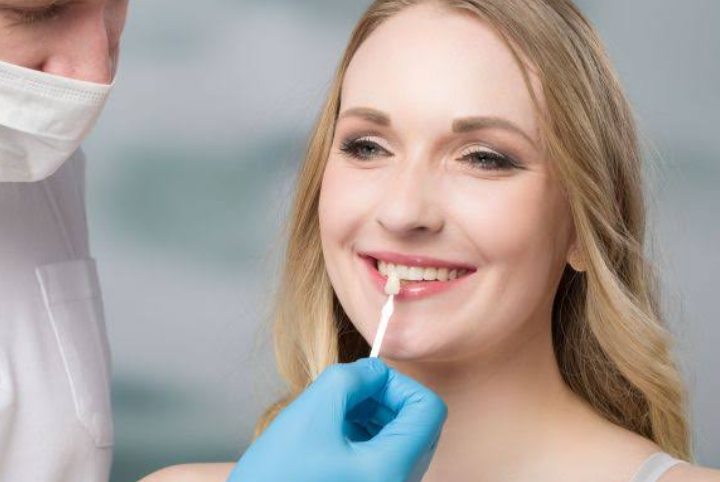
Why Preventive Dentistry Is Essential Before Bonding, Veneers, Or Whitening
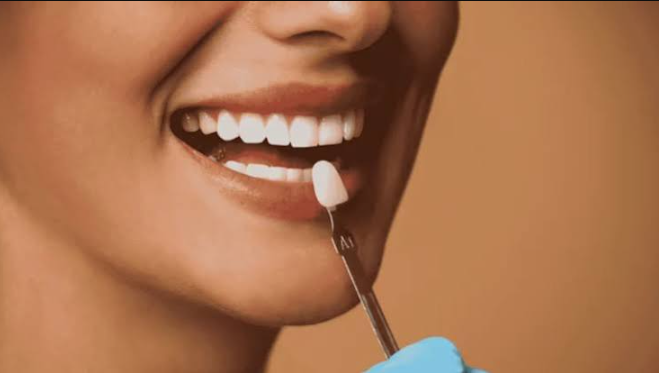
You might be ready to fix the stain that shows in every photo, the chip that catches your lip, or the shape of a tooth you have noticed for years. Cosmetic dental treatment can feel like relief. It can also feel urgent, especially when you have already decided what you want and just want to get started. That is usually the moment when a dentist in Midlothian Texas slows things down and checks your oral health first.
That pause matters. Why preventive dentistry is essential before bonding, veneers, or whitening comes down to one simple truth. Cosmetic work sits on top of your current dental health. If the foundation has decay, gum disease, weak enamel, or untreated grinding, the result may not last, may not look right, and may end up costing you more.
A healthy mouth gives cosmetic treatment a fair chance to succeed. Clean teeth, stable gums, and early treatment for hidden problems protect both your appearance and your budget. That is the reason a good general and cosmetic dentist does not treat prevention as a side issue.
Preventive dental care protects the results you are paying for
Bonding, veneers, and whitening each depend on the condition of the tooth underneath. A small cavity under a veneer does not stay small just because it is covered. Inflamed gums around bonding can make the edges look uneven and collect plaque. Whitening on teeth with untreated decay or exposed roots can lead to sharp sensitivity and patchy color.
You may be thinking, if the goal is cosmetic, why not handle the cosmetic part first and deal with the rest later? Because dental problems rarely stay still. Tooth decay can spread into deeper layers of the tooth, and the early signs of tooth decay are not always obvious without an exam and X rays. Gum disease can also progress quietly. The CDC explains that gum and periodontal disease may begin with redness or bleeding and then move into bone and tooth support.
That is where frustration starts. You invest in a smile upgrade, then hear that a veneer needs to be replaced early, or whitening did not turn out evenly, or bonding chipped because bite pressure was never addressed. The cosmetic issue returns, and now there is a health issue attached to it.
Bonding, veneers, and whitening all react differently to hidden dental problems
Each treatment has its own weak points when prevention is skipped. Bonding relies on strong enamel and good moisture control. If there is plaque buildup, gum bleeding, or a cavity near the area, the bond can be less reliable. Veneers require precise planning. If your gums are swollen or your bite is unstable, even a well made veneer can end up looking bulky or wearing unevenly. Whitening seems simple, but it does not change fillings, bonding, or crowns, and it can make untreated sensitivity much worse.
This is why preventive dental care before cosmetic dentistry is not an extra step. It is part of the treatment. A cleaning may remove surface stain and change what you actually need. Fluoride, sealants in some cases, bite adjustments, or treatment for clenching can reduce the risk of damage after cosmetic work is done.
The CDC recommends everyday habits that sound basic because they work. Brushing with fluoride toothpaste, cleaning between teeth, limiting sugar, avoiding tobacco, and keeping regular dental visits all lower the chance that a cosmetic investment will be undermined by preventable disease. Their oral health tips for adults are the same habits dentists want in place before smile treatments begin.
See also: The Role Of Preventive Dentistry In Achieving Natural Looking Cosmetic Results
Prevention often lowers the long term cost of cosmetic dentistry
People often delay preventive care because they are trying to save money for the cosmetic procedure itself. That choice can backfire. A filling caught early is usually simpler than a root canal after pain starts. Gingivitis is easier to manage than advanced periodontal treatment. A night guard costs less than replacing cracked bonding again and again.
Think of two common situations. One person gets whitening after a checkup, cleaning, and treatment for sensitivity. The result is more even and more comfortable. Another person skips the exam, whitens over active decay, and now needs urgent treatment plus a second whitening plan later. The first path feels slower at the beginning, but it is usually faster and less expensive overall.
| Cosmetic Treatment | If Preventive Care Comes First | If Preventive Care Is Skipped |
|---|---|---|
| Bonding | Better adhesion, cleaner margins, lower risk of early staining or failure | Higher chance of bond failure, decay missed under or near the restoration |
| Veneers | Healthier gums, more accurate fit, stronger long term support | Inflamed gums, bite issues, hidden decay that can shorten veneer life |
| Whitening | More even shade, less sensitivity, realistic planning around existing dental work | Pain from untreated decay, blotchy results, disappointment with mismatched restorations |
Small preventive steps create better cosmetic outcomes
Schedule a full exam before choosing the cosmetic treatment. Ask for an evaluation of cavities, gum health, old fillings, bite wear, and tooth sensitivity. This step often changes the plan in a good way. You may need less treatment than you thought, or a different sequence that protects the final result.
Complete the basic care first. Cleanings, fillings, gum treatment, fluoride, and habit changes are not delays. They prepare your teeth for cosmetic work that looks better and lasts longer. This is the heart of oral health before veneers and whitening.
Ask how to maintain the result. Cosmetic work needs upkeep. Ask about whitening touch ups, stain prevention, night guards for grinding, and home care for bonding or veneers. A good plan should cover what happens after the appointment, not just during it.
A strong foundation makes cosmetic dentistry worth it
Wanting a better smile is not shallow. It is personal, and it often comes after years of noticing the same flaw. The best cosmetic results happen when the teeth and gums underneath are healthy first. That is what makes the change feel secure, not temporary.
If you are considering bonding, veneers, or whitening, start with prevention and build from there. A general and cosmetic dentist can help you treat the problems you cannot see yet, protect the teeth you already have, and create a result that holds up in real life.