
The Importance Of Regular Dental Visits For Tracking Growth Patterns
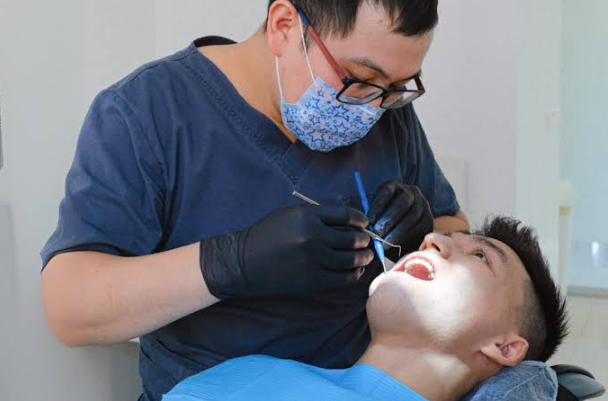
You already have enough to keep track of. School forms, growth spurts, changing sleep habits, and the small signs that your child is growing faster than you expected. Dental visits can feel like one more task on a crowded list, especially when nothing seems wrong. That is often when they matter most. A Beaverton dentist near Tigard family dentist is not only checking for cavities. Those visits help track how your child’s teeth, jaw, bite, and oral habits are developing over time, which can catch problems early and make treatment simpler.
The importance of regular dental visits for tracking growth patterns shows up in ways parents do not always see at home. Teeth may be coming in too early or too late. The jaw may be growing unevenly. Thumb sucking, mouth breathing, grinding, or crowding can slowly shape the bite. When these patterns are watched at regular intervals, small changes are easier to manage before they turn into pain, speech issues, eating trouble, or more expensive care later.
Regular dental checkups reveal changes that are easy to miss at home
A child can look fine, eat fine, and still have early signs of a developing issue. That is the hard part. Growth problems usually do not arrive all at once. They build quietly. One baby tooth stays too long. Permanent teeth erupt in the wrong position. The upper and lower jaws stop lining up the way they should. A dentist who sees your child once every six months can compare what is happening now with what happened before, and that timeline matters.
This is where routine dental visits for child growth monitoring become useful. A single visit gives a snapshot. Regular visits create a record. That record helps a dentist notice if spacing is normal, if crowding is starting, or if the bite is shifting in a way that may need orthodontic attention later. According to the National Institute of Dental and Craniofacial Research child oral health resources, early dental care supports healthy development and helps families understand what is normal at each stage.
Some parents wait because they assume orthodontic concerns can be handled years later. Sometimes that works. Sometimes it does not. If a jaw is developing asymmetrically or a crossbite is forming, waiting can limit options. Early guidance does not always mean braces right away. It often means watching, documenting, and stepping in only when timing will help the most.
See also: The Role Of Preventive Dentistry In Achieving Natural Looking Cosmetic Results
Growth pattern tracking supports more than straight teeth
Teeth do not grow in isolation. Oral development affects speech, chewing, breathing, sleep, and comfort. If your child snores, breathes through the mouth, struggles to bite certain foods, or complains that their jaw clicks or feels sore, those signs may connect to growth and bite development. A dentist can look at the full picture instead of focusing on one symptom at a time.
That wider view matters because oral habits shape growth. Prolonged pacifier use, thumb sucking, tongue thrust, and nighttime grinding can all change how teeth and jaws develop. The sooner those habits are identified, the easier it is to correct them without more involved treatment later. The CDC’s oral health tips for children also stress prevention and regular care, which helps support healthy teeth and healthy development as children grow.
There is also the financial side, and that stress is real. Many families put off preventive visits because they are trying to avoid a bill. The problem is that delayed care often costs more. A minor spacing issue may only need monitoring. A neglected bite problem may lead to broken teeth, gum irritation, speech therapy referrals, or complex orthodontic work. Prevention is not only about cleaning teeth. It is about avoiding bigger problems that build slowly.
Consistent dental monitoring gives families a clearer path forward
Parents often want a simple answer. Is this normal or not? Growth rarely works that way. Some children lose teeth early. Others are late. Some have gaps that close naturally. Others develop crowding that worsens each year. Regular exams help sort normal variation from true concern. They also reduce the guesswork that can keep families stuck between worry and delay.
The data supports the value of staying connected to care. The CDC’s dental visit statistics show how dental care use varies across age groups, and that gap in regular care can affect how early problems are found. When visits happen consistently, dentists can track the pattern, not just the symptom of the day.
| Approach | What It Often Catches | Likely Outcome |
|---|---|---|
| Regular dental visits every 6 months | Delayed eruption, crowding, bite shifts, oral habits, early enamel wear | Earlier guidance, easier monitoring, treatment at the right time |
| Visits only when pain appears | Cavities, infection, advanced wear, visible alignment concerns | More urgent treatment, fewer low intervention options |
| Home observation alone | Obvious changes such as crooked teeth or complaints of discomfort | Subtle growth issues may be missed until they are harder to correct |
Small steps now make growth concerns easier to manage
Keep a steady visit schedule. If your child is already seeing a dentist, stay consistent even when everything seems normal. Growth tracking only works when there are regular checkpoints to compare over time.
Pay attention to daily habits. Mention thumb sucking, mouth breathing, snoring, clenching, speech changes, or trouble chewing. These details may seem unrelated, but they can explain how the teeth and jaws are developing.
Ask what the dentist is watching. You do not need to leave with vague reassurance. Ask whether eruption timing, bite alignment, spacing, or jaw growth should be monitored before the next visit. Clear answers make it easier to know what matters and what does not.
Regular dental care helps protect your child’s development
You are not overreacting by wanting a closer look at how your child is growing. You are paying attention. That matters. Dental growth monitoring gives you a better chance of catching concerns early, easing future treatment, and protecting your child’s comfort along the way. If it has been a while since the last checkup, scheduling a visit with a family dentist is a practical next step.