How Pediatric Dentists Help Children With Frequent Cold Sores
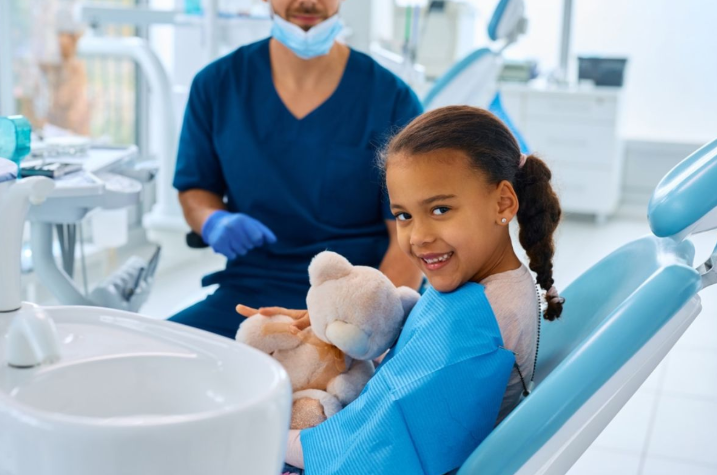
You see the sore show up on your child’s lip and already know what may come next. The sting, the tears, the refusal to eat, the worry about school, daycare, and whether it will keep happening. Frequent cold sores can feel small to everyone else and very big in your house, especially when your child gets them again and again. A pediatric dentist in Moreno Valley may help you understand possible triggers, ways to ease discomfort, and when to seek further care.
Cold sores are common, but repeated outbreaks deserve attention. A pediatric dentist can help you sort out what is actually happening, ease pain inside and around the mouth, and look for patterns that may be making outbreaks worse. If your child has frequent sores, trouble eating, sores inside the mouth, or symptoms that do not follow the usual pattern, a dental visit can give you clarity and a plan.
Frequent cold sores in children can affect more than the lips
Cold sores are usually caused by the herpes simplex virus. They often begin with tingling, burning, or itching, then turn into small blisters that crust over. The American Academy of Pediatrics explains childhood cold sores in a way many parents find reassuring, especially when the first outbreak feels alarming.
What makes this harder is that children do not always describe pain clearly. They may say their tooth hurts when the real problem is a sore spot on the lip, gum, or tongue. They may stop drinking because anything acidic burns. They may rub the area, spread irritation, and make healing slower. When outbreaks keep returning, you are not just managing a spot on the skin. You are managing missed sleep, changes in appetite, and a child who feels miserable over something that looks minor from the outside.
A pediatric dentist looks at the whole picture. That includes where the sores appear, whether the gums are inflamed, whether there are ulcers inside the mouth, and whether another condition could be confused with a cold sore. According to the National Institute of Dental and Craniofacial Research guide to fever blisters and canker sores, canker sores and cold sores are different problems, and treatment advice changes depending on which one your child has.
A pediatric dentist can identify patterns, triggers, and lookalike conditions
Parents often notice the cycle before anyone else does. A sore appears after a fever, a long day in the sun, a stressful week, chapped lips, or a child biting at dry skin near the mouth. Those details matter. Pediatric dentists help children with recurrent cold sores by tracking triggers and checking whether the tissue inside the mouth shows signs of trauma, dryness, or another oral condition that needs treatment.
They also know when the pattern does not fit. A sore only inside the mouth may point more toward canker sores or irritation. Widespread gum swelling, pain, drooling, or a child who will not drink can suggest a more intense oral infection that needs prompt care. The AAPD guidance on oral pathology supports careful evaluation of oral lesions in children because many conditions can look similar early on.
This is where a specialist in children’s oral health can be especially helpful. A general internet search may leave you with too many possibilities and not enough certainty. A pediatric dentist can often tell whether the sore matches a routine cold sore pattern, whether it needs supportive care only, or whether your child should also see a pediatrician or another specialist.
Professional care helps with pain control and safer healing
When a child gets frequent outbreaks, the goal is not only diagnosis. It is relief. A sore that hurts enough to stop brushing can lead to plaque buildup, gum irritation, and more discomfort. A child who stops eating crunchy, salty, or warm foods may become dehydrated or cranky fast.
Cold sore treatment for children often centers on comfort and prevention. A pediatric dentist may recommend gentle oral hygiene steps, lip protection, hydration support, and ways to avoid irritating foods while the sore heals. They can also explain when over the counter products are not right for young children, especially if a product may sting, numb tissue, or be used too close to the mouth without supervision.
If your child gets sores repeatedly, a pediatric dentist may coordinate with your child’s physician about antiviral treatment, immune concerns, or severe outbreaks. That kind of teamwork matters when the problem is no longer occasional.
Home care and pediatric dental care are not equal when outbreaks keep returning
| Approach | What It Can Help With | Limits and Risks |
|---|---|---|
| Home care only | Basic comfort, hydration, lip moisture, avoiding trigger foods | May miss lookalike conditions, may not address frequent recurrences, parents may use products not meant for children |
| One time dental evaluation | Confirms whether the sore pattern fits cold sores, checks oral tissues, gives a care plan | Needs follow through at home, may require medical referral if outbreaks are severe |
| Ongoing care with a pediatric dentist | Tracks recurrence, identifies triggers, supports pain control, protects oral health during outbreaks | Best results depend on parents reporting timing, symptoms, and possible triggers |
The difference is often simple. Home care treats the moment. Professional care looks for the reason it keeps happening and helps protect your child’s mouth over time.
Three steps you can take right away
Start a sore log. Write down when the sore begins, where it appears, what your child ate, whether they had a fever, sun exposure, stress, chapped lips, or illness in the days before. Patterns are easier to spot when you are not relying on memory.
Protect eating and brushing. Offer cool, bland foods and plenty of fluids. Avoid citrus, salty snacks, and spicy foods during an outbreak. Use a soft toothbrush and keep brushing gentle so plaque does not add more irritation.
Book an evaluation if the sores are frequent or severe. Repeated outbreaks, sores inside the mouth, trouble drinking, swollen gums, or symptoms that seem unusual should be checked. Early guidance can spare your child a lot of pain and help you avoid guesswork.
Children with frequent cold sores need a clear plan
You are not overreacting because a sore on the lip keeps disrupting your child’s day. Recurrent outbreaks can affect comfort, nutrition, oral hygiene, and peace of mind at home. Pediatric dental care helps narrow down the cause, reduce pain, and give you practical steps that fit real life. If your child keeps getting cold sores, schedule a visit with a pediatric dentist and get a plan that makes the next outbreak easier to handle.