Important Factors in Choosing Quality Rifle Optics
Rifle optics have become an important part of modern outdoor equipment. A quality optic can provide a clearer view, improve observation, and make it easier to distinguish details at different distances. However, choosing the right product is not simply a matter of selecting the highest magnification or the most expensive model. Optical clarity, construction, size, mounting compatibility, environmental resistance, and overall usability all deserve careful attention.
The market includes many different types of scopes, red dot sights, and related accessories. Each product can be designed around a particular set of requirements. Some users may prioritize a compact setup, while others may place greater importance on magnification or low-light visibility. Understanding the main characteristics of rifle optics can make the selection process more straightforward.
Optical Clarity
Optical clarity is one of the most important characteristics of a quality rifle scope. Clear glass allows users to see details with greater definition and can make extended periods of observation more comfortable.
Several elements influence clarity, including glass quality, lens coatings, internal construction, and manufacturing precision. High-quality lenses can provide better contrast and reduce visual distortion. Proper coatings can also improve light transmission and minimize unwanted reflections.
A product can have impressive specifications on paper but still provide an unsatisfactory viewing experience if its optical components are poorly manufactured. For this reason, buyers should consider the overall optical system rather than focusing on a single specification.
See also: How Black Tank Tops Fit Into Modern Activewear Trends
Magnification Range
Magnification determines how large distant objects appear through the scope. Some optics use fixed magnification, while variable-power models allow the user to select from a range.
Fixed-power designs can offer simplicity and may have fewer moving components. Variable-power scopes provide greater flexibility because the viewing level can be adjusted according to the surroundings.
Higher magnification is not automatically better. Excessive magnification can narrow the field of view and make it harder to observe a larger area. The appropriate range depends on the intended application and the environment.
A balanced magnification range can provide useful flexibility without making the optic unnecessarily large or complicated.
Field of View
Field of view refers to the amount of the surrounding area visible through an optic at a particular magnification.
A wider field of view can make general observation easier because more of the surrounding environment remains visible. As magnification increases, the field of view generally becomes narrower.
This relationship is important when comparing different scopes. Two products with similar magnification specifications may provide noticeably different viewing experiences because their optical designs differ.
Users should therefore examine field-of-view specifications alongside magnification rather than considering either measurement in isolation.
Objective Lens Size
The objective lens is the larger lens positioned at the front of a conventional rifle scope. Its size can influence light gathering, overall dimensions, and weight.
Larger objective lenses can allow more light into the optical system, which may be useful under certain lighting conditions. However, a larger lens can also increase the physical size of the scope and may require a different mounting arrangement.
A compact setup may benefit from a smaller objective lens, while some users may prefer a larger optical system for specific applications.
The ideal choice depends on finding an appropriate balance between optical performance, size, weight, and portability.
Lens Coatings
Lens coatings play an important role in optical performance. Uncoated glass can reflect some incoming light, reducing the amount that reaches the eye.
Modern optical coatings are designed to minimize these reflections and improve light transmission. Multiple coating layers may be applied to different lens surfaces to improve overall performance.
Quality coatings can also help reduce glare and improve contrast under changing lighting conditions.
When comparing optics, buyers should look beyond general statements such as “fully coated” and examine the manufacturer’s specifications to understand what type of coating system is actually used.
Reticle Design
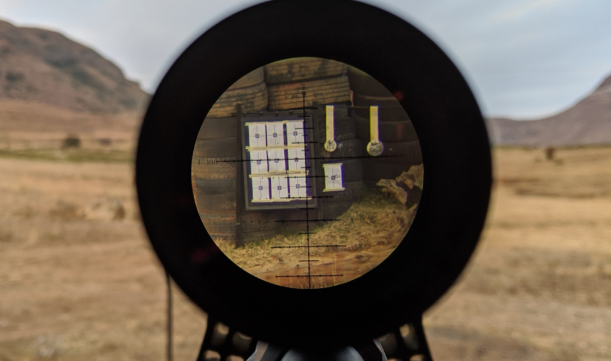
The reticle is the pattern visible through the scope. It can vary significantly between different products.
Some reticles are deliberately simple, providing a clean viewing picture. Others include additional markings intended to provide reference points.
Illuminated reticles are another option. These use a light source to make portions of the reticle more visible under certain conditions.
The best reticle is largely a matter of preference and intended use. A design that looks sophisticated may not necessarily be easier to use. Clear visibility and an uncluttered viewing picture are often more important than having numerous markings.
Construction Quality
The physical construction of an optic affects its durability and long-term reliability.
Quality scopes typically use materials selected for strength while keeping overall weight manageable.The housing must protect internal optical components from normal outdoor conditions and everyday handling.
A well-constructed optic should maintain its optical alignment during ordinary use. Internal components need to remain securely positioned so that the viewing experience stays consistent.
Manufacturing precision is therefore just as important as material selection.
Weather Resistance
Outdoor equipment can be exposed to rain, humidity, dust, temperature changes, and other environmental conditions. An optic designed for outdoor use should have appropriate protection against these factors.
Water-resistant construction can help reduce the risk of moisture entering the housing. Fog-resistant designs can help maintain visibility when temperatures change.
Dust protection can also be important because small particles can interfere with mechanical components or optical performance.
Buyers should check the manufacturer’s stated protection ratings rather than assuming that every scope provides the same level of environmental resistance.
Size and Weight
The physical dimensions of an optic can affect the overall balance and portability of the equipment.
Large scopes may provide additional optical features but can also add considerable weight. This may become noticeable during transportation or extended periods outdoors.
Compact optics can be easier to carry and may create a more streamlined setup.
The right balance depends on the user’s priorities. A lightweight design may be more practical for someone who values portability, while another user may accept additional weight in exchange for specific optical characteristics.
Mounting Compatibility
Even a high-quality scope will not perform as expected if it is paired with an unsuitable mounting system.
Different firearms and optics can use different mounting standards. Buyers should confirm that the mount is compatible with the specific optic and platform before purchasing.
Mount height, rail compatibility, physical dimensions, and available clearance can all affect the final setup.
Quality mounting hardware also contributes to overall reliability. A properly designed mount should securely hold the optic while remaining compatible with the intended equipment.
Red Dot Sight Considerations
Red dot sights provide an alternative to traditional magnified scopes. They typically use an illuminated aiming point and a non-magnified or minimally magnified viewing system.
Their compact size can make them attractive for applications where portability and a simple sight picture are important.
When comparing red dot sights, users may consider factors such as dot visibility, battery life, housing design, lens quality, adjustment controls, and environmental protection.
Different dot sizes can produce different viewing experiences. A smaller dot may appear more precise, while a larger dot can be easier to see quickly.
The best configuration depends on individual preferences and the intended application.
Battery Performance
Battery-powered optics require dependable power management. Illuminated reticles and red dot sights commonly use batteries to operate their lighting systems.
Battery life can vary according to brightness settings, battery type, temperature, and product design.
Users should consider how easy it is to replace the battery and whether the product provides useful battery-saving features.
Some modern optics include automatic shutoff functions or motion-based activation systems. These features can help reduce unnecessary battery consumption.
It is also wise to understand the manufacturer’s recommended battery type and storage conditions.
Adjustment Controls
Scopes typically include controls that allow the user to adjust the optical system. The design and location of these controls can affect usability.
Adjustment mechanisms should provide predictable and consistent movement. Controls that are difficult to turn or understand can make the overall experience less convenient.
The markings should also be clear and easy to read.
Quality manufacturing is particularly important for these components because small mechanical inconsistencies can affect the user’s ability to make precise adjustments.
Eye Relief and Viewing Comfort
Eye relief refers to the distance between the user’s eye and the point where the full image can be viewed through a scope.
Adequate eye relief can make an optic more comfortable to use and can provide greater flexibility in positioning.
A scope with limited eye relief may require the user to maintain a very specific viewing position. This can be less convenient than an optic with a more forgiving viewing area.
Comfort should not be overlooked when comparing products. An optic that produces a clear image but is uncomfortable to use may not be the best overall choice.
Parallax Considerations
Parallax is an optical effect that can cause the reticle and viewed image to appear misaligned when the user’s eye position changes.
Some scopes include parallax adjustment systems designed to reduce this effect at particular distances.
The importance of parallax control depends on the intended use and optical design. Users should understand the manufacturer’s specifications and avoid assuming that every scope handles parallax in the same way.
For many buyers, understanding whether a product has a fixed or adjustable parallax system is enough to make a more informed comparison.
Low-Light Performance
Lighting conditions can change significantly outdoors. An optic that performs well in bright daylight may produce a different experience as available light decreases.
Low-light performance depends on multiple factors, including glass quality, objective lens size, lens coatings, exit pupil, and overall optical design.
A larger objective lens can allow more light into the system, but it is only one part of the equation.
Quality glass and effective coatings can be equally important. Buyers should consider the entire optical system rather than relying on objective lens size alone.
Exit Pupil
Exit pupil is the small circle of light visible when looking through the scope from a particular distance behind the eyepiece.
The size of the exit pupil changes with magnification and objective lens diameter. A larger exit pupil can make it easier to position the eye correctly and can provide a more forgiving viewing experience.
At higher magnification, the exit pupil generally becomes smaller.
Understanding this relationship can help users compare scopes with different combinations of objective lens sizes and magnification ranges.
Ergonomic Design
An optic should not only perform well; it should also be comfortable to handle.
The placement of adjustment controls, magnification rings, focus mechanisms, and other components can affect the user experience.
A practical design should allow important controls to be located logically without creating unnecessary bulk.
Textured surfaces and appropriately sized controls can also make adjustments easier, particularly when wearing gloves or operating outdoors.
Manufacturer Reputation
The reputation of a manufacturer can provide useful information when evaluating an optic.
Established manufacturers typically invest in product development, testing, quality control, and customer support. Buyers should review available specifications and warranty information before making a decision.
A manufacturer’s ability to produce consistent products is especially important for businesses that source optics through OEM manufacturing.
For brands developing their own optical products, working with an experienced manufacturer can provide access to established production capabilities, component sourcing, assembly processes, and quality-control procedures.
OEM Manufacturing and Custom Optics
OEM manufacturing plays an important role in the modern optics industry. It allows companies to develop products under their own brands without necessarily establishing a complete manufacturing facility.
An OEM partner may support different stages of production, including product development, component selection, assembly, testing, packaging, and customization.
Customization can include exterior finishes, branding, packaging, reticle configurations, and other product characteristics depending on the manufacturer’s capabilities.
However, customization should always be combined with strong quality control. A distinctive appearance has little value if the underlying product lacks consistency or reliability.
Quality Control in Optical Production
Precision is essential when producing optical equipment. Lenses, housings, adjustment systems, mounts, and other components must be manufactured and assembled carefully.
Quality-control procedures can identify defects before products reach customers. Manufacturers may inspect individual components, test assembled products, evaluate optical performance, and examine mechanical functions.
Consistent testing becomes even more important when products are manufactured in large quantities.
Brands working with an OEM supplier should therefore consider manufacturing experience and quality-control systems alongside pricing and customization options.
Maintenance and Care
Proper maintenance can help preserve an optic’s performance.
Lenses should be cleaned using materials specifically intended for optical surfaces. Abrasive cloths or unsuitable cleaning chemicals can damage lens coatings.
Protective covers can help reduce exposure to dust and moisture when the optic is not being used.
Equipment should also be stored according to the manufacturer’s recommendations. Avoiding unnecessary impacts and extreme environmental exposure can help protect both optical and mechanical components.
Regular inspection can identify loose components, damaged seals, or other visible problems before they become more serious.
Comparing Price and Value
Price is an important consideration, but it should not be the only factor.
A low-cost optic may appear attractive initially but may lack features, durability, or optical performance required for long-term use. At the same time, the most expensive product may provide capabilities that a particular user does not need.
The best value comes from matching the product to the actual requirements.
Buyers should compare optical quality, construction, warranty, features, compatibility, and manufacturer support alongside the purchase price.
This approach can prevent unnecessary spending while helping users select equipment that fits their needs.
Making a Better Selection
Choosing quality rifle optics becomes easier when the decision is based on practical requirements.
Before purchasing, users can consider the environment, preferred magnification, field of view, objective lens size, reticle design, weight, mounting compatibility, weather resistance, and overall optical clarity.
For those researching deer-related equipment, information about best rifle calibers for deer hunting can provide additional background when considering how different equipment categories fit together.
It is also important to purchase products from reputable sources and follow all applicable laws and manufacturer instructions.
Final Thoughts
Quality rifle optics combine several important characteristics rather than relying on one impressive specification. Clear glass, effective lens coatings, suitable magnification, practical field of view, durable construction, reliable adjustment controls, and appropriate weather resistance can all contribute to a better overall experience.
Red dot sights provide another option for users who prefer compact designs and simple illuminated aiming points. Mounting systems are equally important because compatibility and secure installation are essential parts of any optical setup.
For businesses, OEM manufacturing provides opportunities to develop customized optical products while benefiting from established production capabilities. Strong quality control, precision manufacturing, and careful testing remain central to producing dependable equipment.
Ultimately, the right optic is the one that matches the user’s requirements, environment, equipment, and budget. Careful comparison of specifications and manufacturer information can help buyers make a confident and informed decision without paying for features they do not actually need.