How Black Tank Tops Fit Into Modern Activewear Trends
Activewear apparel has changed a lot over the past decade, but the black tank top has stayed relevant through nearly every shift in trend and technology. Its simple design keeps working regardless of what fabric technology or silhouette happens to be popular that season. This guide looks at where black tanks fit into current activewear trends and what actually matters when choosing one for training.
Why Activewear Apparel Keeps Coming Back to Simple Designs
Activewear apparel trends come and go quickly, with new cuts, colors, and fabric technologies releasing on a near-seasonal basis. Through all of that change, a simple sleeveless design built from a dependable fabric keeps performing the same core function: staying cool and allowing full range of motion during training.
This consistency is part of why black tanks remain a staple across gyms and training facilities everywhere, even as surrounding activewear trends shift toward bolder colors or more technical fabric options season after season.
Gym Tank Tops Built for Real Training Conditions
Gym tank tops need to survive far more stress than a casual tank worn for a few hours during the day. Constant stretching, sweat exposure, and frequent washing all wear down fabric faster in a training environment, so a slightly heavier fabric weight generally holds up better than an ultra-light option that feels great at first but thins out within a few months.
Loose-cut gym tanks also allow more airflow around the torso during high-output training, while a more fitted cut works noticeably better for lifting, where excess fabric can get in the way of certain specific movements.
Workout Clothing and Moisture Management
Workout clothing built from cotton handles moderate activity well but can start to feel heavy once sweat soaks into the fabric during longer sessions. A Black Tank Top made from a cotton and synthetic combination often balances breathability with some level of moisture handling, without sacrificing the softness that pure cotton offers against the skin.
Choosing fabric based on training style matters here. Someone doing shorter strength sessions may prefer the feel of cotton, while someone training for longer cardio sessions might lean toward a fabric built specifically for moisture management.
Fitness Apparel and Fit Considerations
Fitness apparel needs to allow a full range of motion without shifting or riding up during exercise. A tank top cut too tight restricts shoulder movement during overhead lifts, while a cut too loose can bunch up or shift during fast-paced movements like running or jumping.
Trying a tank top under actual, real-world training conditions, rather than judging fit only in a mirror, reveals whether the cut and fabric actually work for the specific type of training someone plans to use it for regularly.
Athletic Wear Trends Worth Watching
Athletic wear trends currently favor a slightly looser, more relaxed cut compared to the tighter, more fitted tanks popular several years ago. This shift reflects a broader move toward relaxed, practical training gear that still performs well, rather than gear built primarily around a tight, athletic silhouette.
Color trends within this category also cycle regularly, but black remains a consistent, dependable choice that works across nearly every other piece in a training wardrobe, regardless of which specific trend is currently popular.
Training Outfits Built Around a Reliable Base
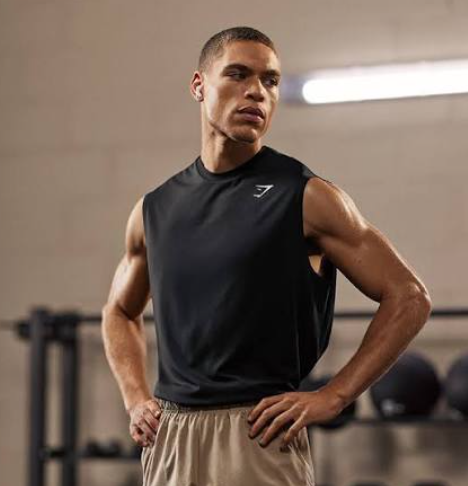
Training outfits work best when built around a few reliable base pieces, rather than chasing every new release. A well-made black tank top serves as a dependable foundation piece that pairs easily with shorts, joggers, or leggings across nearly any training style.
Buyers looking to compare current tank top fabric options and fit details can review specifications through suppliers such as Simplstc Apparel at simplstcapparel.com before restocking training gear for a new season.
How Often to Replace Training Tank Tops
A training tank used several times a week typically starts showing signs of wear, thinning fabric, stretched seams, faded color, within six months to a year depending on fabric quality and wash frequency. Replacing gear at the first signs of thinning, rather than waiting for a visible tear, keeps a training wardrobe performing consistently.
Keeping a rotation of at least three or four tanks, rather than relying on just one or two, also extends the life of each individual piece by spreading out wash frequency and wear across the whole rotation.
Budget Versus Premium Options in Activewear
Budget tank tops can work fine for occasional or light training, but frequent, high-intensity use typically justifies spending more on a slightly higher fabric weight and better stitching. The cost difference often pays for itself in fewer replacements over a full year of regular training.
Testing both budget and premium options side by side, rather than assuming price always predicts performance, remains the most reliable way to figure out exactly where the actual value lies for a specific training routine and budget.
Reading Reviews Before Buying Training Gear
Customer reviews focused on durability after multiple washes tend to offer more useful information than reviews focused only on initial fit or feel, since a tank top can feel great on day one and still fall apart within a few months of regular training.
Looking specifically for reviews from buyers who train at a similar frequency also helps, since someone training daily will notice fabric issues far sooner than someone wearing the same tank only once or twice a week.
See also: The Benefits of Technology in Business Automation Strategies
Choosing Gear That Keeps Up With Modern Training
Black tank tops remain relevant in modern activewear because they solve a simple problem well, staying cool and allowing full movement, without needing to chase every new trend that comes through the training apparel space.
Focusing on fit, fabric weight, and how a piece performs under real training conditions, rather than how it looks on a shelf, remains the most reliable way to choose activewear that actually holds up over a full training season and well beyond it, no matter how training habits change over time.