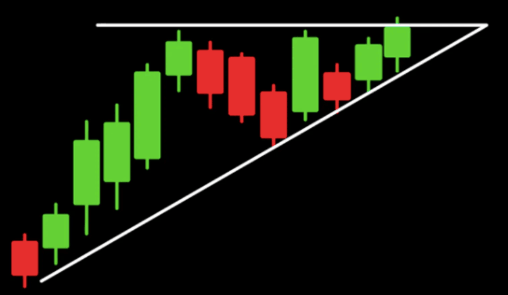
What Are Crypto Trading Signals?
Crypto trading signals are structured alerts indicating optimal entry and exit points in crypto markets. They synthesize price patterns, indicators, and risk controls into actionable cues. Signals originate from analysis, automated models, or social sentiment, and are tested for robustness via backtesting and cross-validation. The objective is transparent performance and disciplined risk management, avoiding hype and overfitting. The next step is to scrutinize generation methods and evaluate signal quality before committing capital.
What Crypto Trading Signals Are and Why They Matter
Crypto trading signals are indicators or alerts that suggest optimal entry and exit points for cryptocurrency trades. They translate market data into actionable cues, enabling disciplined timing and risk controls. This lens emphasizes crypto basics, highlighting how data integrity and traceable methods build signal credibility. In a free-market mindset, practitioners value consistency, transparency, and verifiable performance over hype and noise.
How Signals Are Generated: Analysts, Algorithms, and Social Signals
How signals are generated hinges on three pillars: analysts, algorithms, and social signals. Analyst methods synthesize qualitative insights with market context, filtering noise for actionable points. Algorithmic indicators translate data into objective thresholds, generating systematic signals. Social signals provide crowd sentiment inputs, optionally modulating priorities. Together, these layers produce timely, data-driven signals while preserving methodological transparency and freedom to adapt to evolving markets.
How to Evaluate Signals, Manage Risk, and Place Trades
Evaluating signals, managing risk, and executing trades require a disciplined framework that translates signals into actionable decisions. Traders assess signal reliability through backtesting, cross-validation, and performance metrics, then calibrate position sizing and stop constraints. Education resources clarify methodology, while disciplined execution reduces slippage and overtrading. Returns hinge on consistent risk controls and transparent signal provenance, not speculative enthusiasm.
See also: The Impact of Blockchain Technology on Tech Business Innovations
Common Pitfalls and How to Spot Quality Signals
Quality signals in crypto trading hinge on objective verification and consistency across timeframes. The piece outlines common mistakes that erode signal reliability, such as overfitting, data snooping, and cherry-picked samples. It emphasizes verification across multiple markets and niche topics, cautioning against assumptions.
Spot quality signals by testing robustness, evaluating edge, and demanding transparent methodology; beware hype-driven claims and inconclusive backtests.
Conclusion
Crypto trading signals translate market data into actionable trading cues, enabling disciplined entry, exit, and risk control. They derive from analysts, algorithmic models, and social sentiment, each with distinct strengths and limitations. Rigorous evaluation, backtesting, and cross-timeframe validation are essential to distinguish robust signals from noise. Effective risk management, transparent performance reporting, and awareness of biases are paramount. In practice, signals are tools—not guarantees—informed by evidence, subject to ongoing scrutiny, and best used within a robust, data-driven framework. like an 18th-century almanac in a modern market.