How to Choose the Right Website Design for Your Business
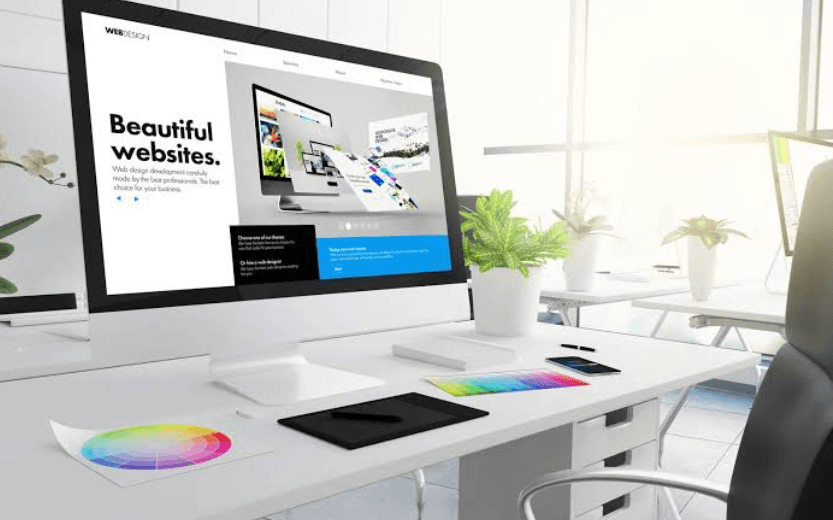
In today’s competitive digital landscape, your website is often the first interaction potential customers have with your business. A professionally designed website can help establish trust, attract new customers, and generate leads around the clock. Whether you operate a small business, nonprofit organization, or growing company, selecting the right website design is a crucial decision. Businesses looking for examples of effective web design strategies can learn from resources provided by Chucktown Website Design, which highlights the importance of creating websites that are both visually appealing and user-friendly.
Why Website Design Is Important
Many business owners underestimate the impact a website can have on their success. A website is much more than an online presence; it serves as a digital storefront, marketing platform, and communication tool.
A strong website design can:
Build credibility and trust.
Improve customer engagement.
Increase lead generation.
Support online sales.
Strengthen brand awareness.
Improve search engine visibility.
When visitors land on your website, they quickly form an opinion about your business. If your site appears outdated, cluttered, or difficult to navigate, potential customers may leave and choose a competitor instead.
Define Your Business Goals First
Before choosing colors, layouts, or features, take time to identify the primary purpose of your website.
Ask yourself:
Do you want to generate leads?
Are you selling products online?
Do you want visitors to schedule appointments?
Is your goal to educate your audience?
Do you need to increase donations for a nonprofit?
Your website design should support these objectives. Every page should encourage visitors to take meaningful action that aligns with your business goals.
For example, an eCommerce business requires a design focused on product discovery and seamless checkout, while a nonprofit may prioritize storytelling and donation opportunities.
Understand Your Target Audience
The best website designs are built with users in mind.
Consider who will be visiting your website:
What age group do they belong to?
What devices do they use?
What information are they searching for?
What challenges do they need help solving?
How familiar are they with technology?
Understanding your audience helps you make smarter design decisions. A website for young professionals may look very different from one designed for retirees or community organizations.
When your website matches the expectations and preferences of your audience, visitors are more likely to stay longer and engage with your content.
Choose a Clean and Professional Layout
A common mistake many businesses make is overcrowding their website with too much information.
A clean design improves readability and helps visitors focus on what matters most.
Effective layouts typically include:
Clear headings.
Organized content sections.
Plenty of white space.
Easy-to-read fonts.
Consistent visual elements.
Logical page structure.
Simple designs often perform better because they reduce distractions and guide users naturally through the website.
Remember that visitors are usually looking for quick answers. A clean layout makes it easier for them to find the information they need.
Prioritize Mobile-Friendly Design
More people browse the internet using smartphones than ever before. If your website doesn’t perform well on mobile devices, you risk losing valuable traffic and potential customers.
A mobile-friendly website should:
Adjust automatically to different screen sizes.
Display readable text without zooming.
Include easy-to-tap buttons.
Load quickly on mobile networks.
Offer smooth navigation.
Google also prioritizes mobile-friendly websites in search rankings, making responsive design essential for both user experience and SEO.
Before launching a website, always test it on multiple devices to ensure a consistent experience.
Focus on Website Speed
Website speed directly affects user satisfaction and conversion rates.
Studies show that visitors often leave websites that take more than a few seconds to load.
Several factors can impact loading speed:
Large image files.
Poor hosting services.
Excessive plugins.
Unoptimized code.
Heavy animations.
To improve performance:
Compress images.
Use reliable hosting.
Enable browser caching.
Minimize unnecessary scripts.
Optimize videos and media.
Fast websites provide a better experience for users and often rank higher in search engine results.
Make Navigation Simple
Navigation plays a critical role in helping visitors find what they need.
A confusing menu structure can frustrate users and increase bounce rates.
Your navigation should be:
Clear.
Consistent.
Easy to understand.
Accessible from every page.
Common navigation items include:
Home
About Us
Services
Products
Blog
Contact
Avoid adding too many menu options. Simplicity improves usability and helps visitors move through your website more efficiently.
Use High-Quality Images and Visuals
Visual content significantly influences how visitors perceive your business.
Professional photography and graphics can help create a positive first impression and communicate your brand identity.
Consider using:
Original business photos.
Team member images.
Product photography.
Project portfolios.
Customer success stories.
Whenever possible, avoid relying entirely on generic stock images. Authentic visuals help establish trust and make your business feel more approachable.
Videos can also be highly effective for demonstrating products, explaining services, or sharing customer testimonials.
See also: The Impact of Blockchain Technology on Tech Business Innovations
Create Clear Calls to Action
Every page on your website should encourage visitors to take a specific action.
Examples of effective calls to action include:
Contact Us
Request a Quote
Schedule a Consultation
Donate Today
Download a Guide
Subscribe to Updates
Calls to action should stand out visually without being overwhelming.
Place them strategically throughout your website so visitors can easily take the next step when they’re ready.
Maintain Consistent Branding
Your website should reflect your brand consistently across every page.
Consistent branding includes:
Logo placement.
Color palette.
Typography.
Image style.
Tone of voice.
Messaging.
When visitors encounter a consistent visual identity, they are more likely to remember your business and develop trust in your brand.
Strong branding also helps differentiate your organization from competitors.
Incorporate SEO Into the Design Process
Search engine optimization should be considered from the very beginning of a website project.
Many businesses make the mistake of focusing solely on appearance and addressing SEO later.
SEO-friendly design practices include:
Mobile responsiveness.
Fast loading times.
Clean URL structures.
Proper heading hierarchy.
Optimized images.
Internal linking.
Accessible navigation.
Design and SEO work best when integrated together. A beautiful website that cannot be found in search results will struggle to generate traffic.
Ensure Accessibility for All Users
Website accessibility allows people with disabilities to use your website effectively.
Accessible design benefits everyone and may also help with search engine performance.
Important accessibility features include:
Alternative text for images.
Keyboard navigation support.
Readable font sizes.
High color contrast.
Clear page structure.
Descriptive link text.
Making your website accessible demonstrates professionalism and inclusivity while expanding your potential audience.
Include Trust-Building Elements
Trust is essential for converting visitors into customers or supporters.
Consider adding:
Customer testimonials.
Reviews.
Certifications.
Awards.
Case studies.
Security badges.
Contact information.
These elements reassure visitors that your business is legitimate and capable of delivering results.
Trust signals are especially important for service-based businesses and nonprofit organizations seeking donations.
Plan for Future Growth
Your website should be designed with scalability in mind.
As your business grows, you may want to add:
New services.
Additional pages.
Blog content.
Online stores.
Booking systems.
Membership features.
Choosing a flexible website platform makes future updates easier and more cost-effective.
A scalable design helps protect your investment and ensures your website can evolve alongside your organization.
Work With Experienced Professionals
While website builders make it possible for anyone to create a website, professional guidance can often lead to better results.
Experienced web designers understand:
User experience principles.
SEO best practices.
Conversion optimization.
Branding strategies.
Mobile responsiveness.
Technical performance.
Working with knowledgeable professionals can help you avoid costly mistakes and create a website that supports your long-term goals.
Conclusion
Choosing the right website design for your business involves much more than selecting colors and layouts. The most effective websites are built around clear goals, user needs, strong branding, excellent performance, and search engine optimization. By focusing on usability, responsiveness, speed, accessibility, and trust-building elements, you can create a website that attracts visitors and converts them into loyal customers. If you’re exploring professional web design solutions and looking for inspiration on creating a results-driven online presence, websitedesignercharleston.com offers valuable resources and insights that can help businesses make informed website design decisions.