3 Preventive Care Habits That Protect Cosmetic Dental Work
You paid for a brighter smile, straighter teeth, or restorations that finally made you feel comfortable in photos again. That relief is real, and so is the worry that comes after. One missed cleaning, one cracked veneer, one stretch of stress where brushing gets rushed, and it starts to feel like all that time and money could slip away faster than it should. Working with a dentist in Stony Plain AB can help you protect those results and keep your smile looking its best.
Cosmetic dental work does not stay beautiful on its own. Veneers, bonding, whitening, and clear aligner results all depend on what you do every day after the appointment. The good news is that protecting your smile usually comes down to steady habits, not perfection. A few smart routines lower the risk of stains, chips, gum problems, and early repairs. That is the heart of 3 Preventive Care Habits That Protect Cosmetic Dental Work.
Daily oral hygiene protects cosmetic results from slow, expensive damage
The most common threat to cosmetic dentistry is not dramatic damage. It is buildup that happens quietly. Plaque sits along the gumline, inflammation starts, and restorations that once looked seamless begin to stand out because the surrounding teeth and gums are not healthy. You may not notice the change right away, but your dentist will. A crown margin can trap debris. Bonding can stain. Veneers can look less natural when gums become puffy or recede.
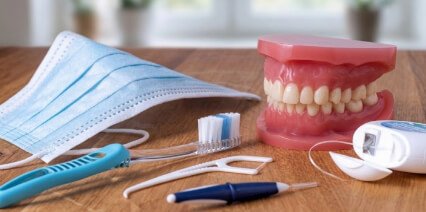
This is where basic care matters more than people expect. Brushing twice a day with a soft bristle toothbrush and fluoride toothpaste helps control plaque without scratching surfaces. Flossing once a day keeps the spaces between teeth and around dental work clean, especially where a toothbrush misses. The National Institute of Dental and Craniofacial Research offers clear oral hygiene guidance that supports these habits.
If you have ever thought, “I already fixed the cosmetic issue, so why does regular cleaning still matter so much,” the answer is simple. Cosmetic work sits in a living mouth. Gums can inflame, enamel can wear, and decay can still form around restorations. preventive dental care habits protect the investment because they protect the foundation under it.
Food, drink, and grinding habits often shorten the life of cosmetic dentistry
Cosmetic materials are durable, but they are not indestructible. Coffee, tea, red wine, berries, and tobacco can stain natural teeth and some restorations, creating a mismatch in color. Hard foods and ice chewing can chip bonding or porcelain. Nighttime grinding puts repeated pressure on veneers, crowns, and natural enamel. You may wake up with a tight jaw and not realize your smile is taking the hit every night.
Adults also tend to underestimate dry mouth. Some medicines reduce saliva, and saliva is one of your mouth’s main defenses against decay and acid. When your mouth feels dry, plaque sticks more easily, acids linger longer, and both natural teeth and cosmetic work face more wear. The CDC shares practical oral health tips for adults that can help you spot and reduce these risks.
A family and cosmetic dentist often sees the same pattern. The cosmetic treatment itself holds up well, but untreated clenching, frequent staining foods, or skipped cleanings cause the trouble around it. That is why protecting results means looking at the whole picture, not just the front teeth in the mirror.
Professional maintenance catches small problems before they become visible
You can do almost everything right at home and still miss the early signs of trouble. A rough edge on bonding, a bite that shifted after aligners, tartar buildup behind lower teeth, or gum irritation around a veneer can be hard to see on your own. Professional exams and cleanings help catch those issues while they are still small and easier to fix.
That does not mean every cosmetic patient needs constant treatment. It means the right checkups help you avoid replacement work sooner than necessary. If a night guard is needed, getting one early is cheaper than replacing chipped porcelain later. If whitening touch ups are timed well, you are less likely to overuse store products that irritate gums or create uneven shade. MedlinePlus also provides reliable dental health information if you want to learn more about prevention and common oral health concerns.
| Habit | If You Stay Consistent | If You Skip It |
| Brushing and flossing daily | Less plaque, healthier gums, fewer stains around restorations | Gum inflammation, decay near margins, dull or uneven appearance |
| Watching staining and hard food habits | Better color match, lower risk of chips and wear | Stained bonding, chipped veneers, worn enamel |
| Routine dental visits | Early fixes, professional cleaning, longer lasting cosmetic results | Hidden damage grows, repairs cost more, results fade faster |
Three preventive habits keep cosmetic dental work looking natural longer
1. Clean gently and thoroughly every day.
Use a soft toothbrush, fluoride toothpaste, and floss or interdental cleaners every day. Brush for two full minutes and pay attention to the gumline. If you have veneers, bonding, or crowns, ask your dentist if any product should be avoided. Whitening toothpastes that feel gritty can be too abrasive for some surfaces. This is one of the strongest ways to protect cosmetic dentistry without adding much time to your routine.
2. Reduce the habits that cause staining, pressure, and cracks.
Drink coffee or tea with water nearby. Rinse after dark colored drinks if brushing right away is not practical. Do not chew ice, hard candy, or pen caps. If you clench or grind, ask about a night guard. These small changes often matter more than people expect because cosmetic work usually fails from repeated stress, not one dramatic event.
3. Keep regular visits with your family and cosmetic dentist.
Professional cleanings and exams help preserve both the health and look of your smile. If your dentist recommends touch ups, bite adjustments, or a custom guard, that advice is usually about preserving what you already paid for. A cosmetic dentist is not only there to improve appearance. Ongoing care is part of making those results last.
Protecting your smile gets easier when the routine becomes normal
You do not need a perfect routine to keep cosmetic dental work in good shape. You need a steady one. Clean well, cut down the habits that create stains and cracks, and let routine dental visits catch the things you cannot see. That is how you give veneers, bonding, whitening, and other cosmetic treatments a real chance to last.
If you want help building a care plan that fits your smile, schedule a visit with a family and cosmetic dentist and get clear guidance on protecting your results for the long term.