The Role Of Preventive Dentistry In Achieving Natural Looking Cosmetic Results
You want your smile to look better, not worked on. That is usually the real goal. Most people are not asking for teeth that look fake, too white, or out of place with their face. At an Omaha dental practice, you want cosmetic improvements that still feel like you, and that gets harder when the foundation is weak. Stained enamel, gum irritation, old fillings, grinding, and early decay can all get in the way of a natural result, even when the cosmetic plan looks good on paper.
The role of preventive dentistry in achieving natural looking cosmetic results is simple. Healthy teeth and gums make cosmetic work look better, last longer, and feel more comfortable. Preventive care catches small problems before they distort color, shape, gum lines, or bite balance. If you skip that step, even beautiful veneers, bonding, or whitening can end up looking uneven, short lived, or unhealthy.
Preventive dentistry creates the foundation for cosmetic dentistry
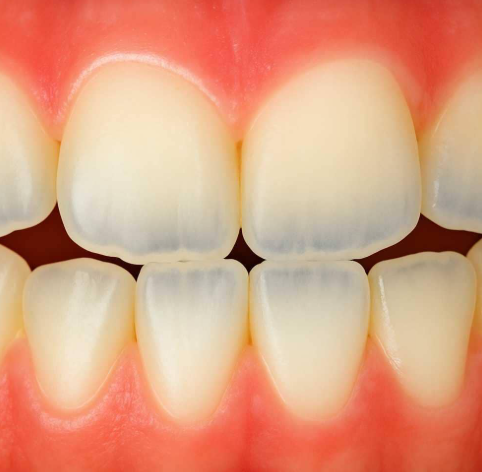
Cosmetic treatment is often seen as the finish line, but the finish only looks right when the base is solid. If your gums are swollen, they can hide the true shape of your teeth. If enamel is worn down, whitening may turn patchy. If there is decay under an old filling, placing cosmetic restorations over it only delays a bigger repair.
This is where a preventive dental care for cosmetic results approach matters. Regular exams, cleanings, X rays when needed, fluoride support, and bite checks help your dentist see what is happening before it becomes visible in your smile. Gum disease is one of the clearest examples. According to the CDC’s overview of gum disease, periodontal disease can damage the tissues that support your teeth. That affects far more than oral health. It changes symmetry, gum height, and tooth stability, which are all central to cosmetic success.
You may have seen this in real life. Someone whitens their teeth, but the gums look red and uneven, so the whole smile still feels off. Someone gets bonding on chipped front teeth, but grinding wears the edges down within months. The cosmetic work was not the only issue. The prep was incomplete.
Natural looking smiles depend on gum health, enamel strength, and bite balance
Natural looking cosmetic dentistry is rarely about one procedure. It is about harmony. Tooth color needs to fit your skin tone and surrounding teeth. Tooth shape needs to match your age, face, and lip line. Gum tissue needs to frame each tooth evenly. Your bite needs to support the result so it does not chip, shift, or wear too fast.
Preventive care protects each of those pieces. Routine cleanings remove buildup that can stain teeth and inflame the gums. Early cavity treatment preserves more of your natural tooth, which gives your dentist better material to work with if bonding or crowns are needed later. Night guards can reduce damage from clenching. Home care matters just as much. The CDC’s adult oral health tips stress brushing with fluoride toothpaste, cleaning between teeth, and keeping up with dental visits. Those habits are basic, but they directly support cosmetic results.
Gum disease can also progress quietly. The NIH’s gum disease resource explains that infection can damage gums and bone over time. You may not feel much pain at first, which is why people sometimes move toward cosmetic treatment without realizing a deeper issue is already changing the shape of their smile.
Skipping prevention often makes cosmetic work cost more and last less
It is easy to focus on the visible problem. You notice discoloration, spacing, or a chipped edge, and you want it fixed. That makes sense. The frustration is real, especially if you hide your smile in photos or catch yourself speaking with your lips tight. Still, rushing past prevention can create a cycle that costs more.
If whitening is done on teeth with untreated decay, sensitivity can increase and the final shade may not look even. If veneers are placed while the gums are inflamed, the tissue can recede later and expose edges. If a bite problem is ignored, cosmetic bonding may fracture. Then you pay again, not because cosmetic dentistry failed, but because the support system underneath it was unstable.
| Approach | Short Term Result | Long Term Effect |
| Cosmetic treatment without preventive care | Fast visual change | Higher risk of gum issues, uneven appearance, repairs, and added cost |
| Preventive care before cosmetic treatment | May take more planning | Healthier gums, stronger teeth, better shade matching, and longer lasting results |
| Ongoing maintenance after cosmetic treatment | Protects the investment | Lower chance of staining, wear, gum recession, and premature replacement |
Family and cosmetic dentist care works best when prevention stays part of the plan
A good smile plan does not separate appearance from health. A family and cosmetic dentist looks at both. That matters if your needs overlap, which they often do. You may want straighter, brighter teeth, but also need help with bleeding gums, old dental work, or a child who is learning better habits at home. Prevention keeps the whole household on steadier ground and makes future cosmetic choices easier and more predictable.
Even small preventive moves can protect appearance. Replacing a worn filling before it cracks the surrounding tooth preserves shape. Catching recession early can help maintain even gum lines. Treating dry mouth lowers the risk of decay around cosmetic restorations. These are quiet wins, but they are often what make a smile look naturally healthy instead of recently altered.
See also: How Mobile Inventory Management Improves Business Efficiency
Three practical steps to protect cosmetic dental results
Schedule a health first cosmetic evaluation. Ask for a full exam before whitening, bonding, veneers, or other esthetic treatment. You want to know if there is gum inflammation, enamel wear, decay, or bite stress that could affect the result.
Build a daily routine that supports appearance. Brush twice a day with fluoride toothpaste, clean between your teeth every day, and limit habits that stain or chip teeth. If you grind at night, ask about a night guard before cosmetic damage gets worse.
Maintain the result after treatment. Cosmetic work is not a one time event. Keep regular cleanings and checkups, follow care instructions for any restorations, and speak up early if something feels rough, loose, or more sensitive than usual.
A natural smile rarely comes from cosmetic treatment alone. It comes from healthy gums, stable teeth, and a plan that respects how your mouth works every day. When prevention leads, cosmetic results tend to look more believable, feel better, and hold up longer. If you are considering improving your smile, start with the health underneath it and move forward with a family and cosmetic dentist who treats both function and appearance as part of the same picture.