5 Questions Families Ask Most About Veneers And Dental Bonding
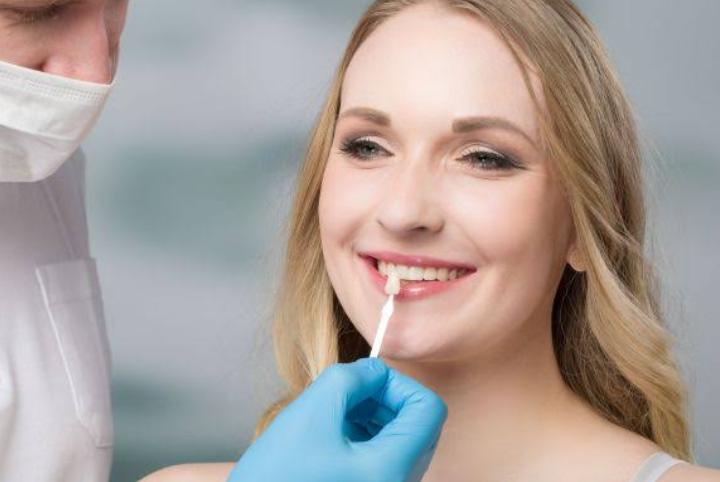
You may be staring at a chipped front tooth in every photo, or watching your teen cover their smile with a hand, or wondering whether a small gap really needs treatment at all. That is usually where this starts. Not with vanity, but with a moment that keeps repeating. A school picture. A wedding coming up. A cracked edge that catches on your lip. You want a fix that looks natural, lasts, and does not create a bigger problem later, which is why many people turn to a local Monterey dentist for long-term oral health.
For most families, the real issue is not choosing a prettier smile. It is choosing the right treatment for the tooth, the age of the patient, the budget, and the long term plan. Veneers and bonding can both improve shape, color, and minor damage, but they are not interchangeable. One is more conservative in some cases, one may last longer in others, and both depend on healthy teeth underneath. The short version is simple. Dental bonding is often a faster, lower cost option for small repairs. Veneers are often chosen for broader cosmetic changes and can offer more stain resistance and durability.
Dental veneers and bonding solve different cosmetic dental problems
Families often ask the same first question. Which one is better? The honest answer is that the better choice depends on what is wrong with the tooth now, not just how you want it to look after treatment.
Bonding uses a tooth colored resin that is shaped directly onto the tooth. It works well for small chips, uneven edges, narrow gaps, and spots of discoloration. A family and cosmetic dentist can often complete bonding in one visit, which matters when life is packed with work, school, sports, and everything else.
Veneers are thin shells placed over the front of the tooth. They are commonly made from porcelain or another dental ceramic. If you want a broader smile change, such as improving several front teeth at once, correcting worn enamel, or masking deeper staining, veneers may make more sense. The dental field classifies these materials under dental esthetic materials, which is a useful reminder that the material itself matters, not just the label attached to the treatment.
The stress usually comes from not wanting to choose wrong. If your child is still growing, if you grind your teeth at night, or if the tooth has a large filling already, the right answer can shift quickly.
Cost, durability, and tooth preparation shape the decision
The second question families ask is usually about cost, but cost by itself can mislead you. Bonding often costs less upfront. Veneers usually cost more because they involve lab work, more planning, and longer lasting materials. That does not mean veneers are always the better value. If the issue is one small chip on one tooth, paying for a veneer may be more treatment than you need.
Durability matters just as much. Bonding can chip or stain over time, especially if you bite your nails, chew ice, or drink a lot of coffee, tea, or red wine. Veneers tend to resist stains better and often hold their appearance longer. They are still not indestructible. A night grinder can damage both.
Then there is tooth preparation. Bonding usually removes little to no natural tooth structure. Veneers may require some enamel reshaping, though modern techniques can be conservative. That detail matters to parents asking about younger patients or anyone who wants to preserve as much natural tooth as possible.
If you are comparing veneers vs dental bonding, ask the dentist to explain exactly how much tooth structure would be changed, how long the result is expected to last, and what replacement or maintenance may look like later.
Families need to think about maintenance, age, and daily habits
A beautiful result that does not fit your real life can become frustrating fast. A child who still has bite changes ahead may not be the best candidate for veneers. An adult with healthy enamel and one chipped corner may do very well with bonding. A parent who wants a full smile refresh before a major event may lean toward veneers because the color and shape can be controlled more precisely across multiple teeth.
Maintenance is where expectations need to be clear. Bonding may need touch ups. Veneers may need replacement years down the road. Both require brushing, flossing, and regular exams. Neither treatment fixes untreated decay or gum disease. If the gums are inflamed or the bite is unstable, cosmetic work can fail earlier than expected.
Research on restorative materials keeps evolving, and the details can get technical quickly. The NIDCR overview of dental materials gives a useful background on how these materials are chosen for strength, appearance, and function.
Comparing cosmetic bonding and veneers side by side
| Factor | Dental Bonding | Veneers |
|---|---|---|
| Best for | Small chips, tiny gaps, minor reshaping, isolated stains | Multiple front teeth, deeper discoloration, worn enamel, broader smile changes |
| Tooth preparation | Usually minimal | Often some enamel reshaping |
| Visit timeline | Often one visit | Usually more than one visit |
| Stain resistance | Lower | Higher, especially with porcelain |
| Repair needs | May need touch ups sooner | May last longer but replacement is more involved |
| Budget | Lower upfront cost | Higher upfront cost |
This is why many people searching for cosmetic dental veneers end up choosing bonding instead, and why some who first ask for bonding are better served by veneers. The treatment should fit the tooth, not just the trend.
Clear next steps help you avoid a rushed cosmetic dentistry decision
1. Ask for a tooth by tooth plan. If more than one front tooth is involved, do not settle for a vague answer. Ask which teeth need treatment now, which can wait, and why one option is being recommended over another.
2. Discuss your habits honestly. Clenching, grinding, nail biting, sports, coffee, smoking, and uneven bite pressure all affect longevity. A strong result on day one can fail early if these factors are ignored.
3. Request a long term cost picture. Do not ask only what today costs. Ask about maintenance, polish visits, possible repairs, replacement timing, and whether a night guard is part of the plan.
Choosing between veneers and bonding can feel bigger than it sounds, because it sits at the intersection of appearance, cost, and trust. You do not need the fanciest treatment. You need the one that protects your tooth and fits your life. A careful conversation with a family and cosmetic dentist can make the choice much clearer, and much less stressful.