What to Consider Before Installing a Home Elevator
A home elevator can make everyday living more comfortable, convenient, and accessible. As residential properties become more focused on long-term comfort, homeowners are increasingly considering elevators as a practical addition rather than a luxury feature. Whether someone lives in a two-story house or a larger multi-level property, an elevator can make moving between floors easier for family members and visitors.
However, installing an elevator requires careful planning. Homeowners need to consider available space, safety features, installation requirements, maintenance, and long-term costs. Understanding these factors before starting a project can help prevent unexpected expenses and ensure the elevator meets the household’s needs.
1. Understand Your Household’s Needs
The first step is identifying why an elevator is needed. Some homeowners want to improve accessibility for older family members, while others want to make their properties more convenient for people with mobility challenges. In other situations, an elevator may simply be a practical feature for a large home.
Thinking about current and future needs is important. A family may not require an elevator today, but changing mobility requirements could make one valuable in the coming years. Planning ahead allows homeowners to choose a system that remains useful over time.
It is also worth considering who will use the elevator regularly. The number of passengers, mobility requirements, and frequency of use can influence the appropriate size and design.
2. Evaluate Available Space
Space is one of the most important considerations in a residential elevator project. Different elevator systems have different installation requirements, and some may need more room than others.
Homeowners should examine possible locations near staircases, hallways, or unused corners. The selected area should provide convenient access to every floor without interfering with essential living spaces.
A professional assessment can help determine whether the property can accommodate a traditional elevator shaft or whether a more compact system would be suitable. Structural conditions, ceiling heights, floor openings, and available clearance should all be evaluated before making a final decision.
Planning the location carefully can also help maintain the home’s existing layout and appearance.
3. Choose the Right Elevator Design
Residential elevators are available in several designs, allowing homeowners to select an option that suits their property and personal preferences.
Some systems are designed for homes with limited installation space, while others offer larger cabins and more customization options. The best choice depends on the building’s structure, household requirements, and available budget.
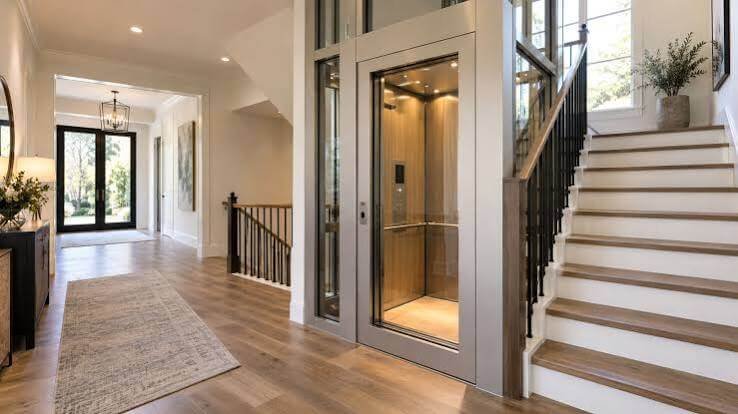
Appearance also matters. An elevator should complement the home’s interior rather than look like an unrelated addition. Homeowners can consider cabin finishes, lighting, flooring, door styles, and control panel designs.
A well-selected elevator can become a natural part of the property’s overall design while providing everyday functionality.
4. Consider Safety and Accessibility Features
Safety should always be a priority when choosing a residential elevator. Modern systems can include several features designed to support reliable operation and protect passengers.
Important features may include emergency communication systems, door sensors, backup power options, safety brakes, and emergency lowering mechanisms. These features can help reduce risks and provide additional confidence during everyday use.
Accessibility should also influence the design. Controls should be easy to reach, entrances should allow comfortable access, and the cabin should provide sufficient room for its intended users.
Before installation, homeowners should discuss applicable building codes, safety standards, inspections, and local requirements with qualified professionals.
See also: The Impact of Blockchain Technology on Tech Business Innovations
5. Set a Realistic Installation Budget
The cost of installing a home elevator depends on several factors, including the elevator type, number of floors, building structure, customization, and labor requirements.
A simple installation in a newly constructed property may involve different expenses compared with adding an elevator to an existing house. Older homes may require additional structural modifications, electrical work, or adjustments to accommodate the equipment.
Homeowners should request a detailed estimate before beginning the project. The estimate should explain equipment costs, installation charges, preparation work, and any additional expenses.
It is also important to consider long-term costs. Maintenance, inspections, replacement parts, and electricity should be included in the overall budget. Comparing several suitable options can help homeowners find a system that balances quality, safety, and affordability.
6. Work With Experienced Installation Professionals
Installing an elevator is a technical project that requires proper planning and professional knowledge. Choosing an experienced installation company can make the process more organized and reduce the possibility of costly mistakes.
Professional installers can assess the property, recommend suitable equipment, explain installation requirements, and help homeowners understand available design options. They can also identify potential structural challenges before construction begins.
For homeowners considering home elevator installation in Mount Pleasant, SC, working with a company familiar with residential elevator projects can make it easier to explore solutions that match the property’s layout and accessibility needs.
Before choosing an installer, review previous projects, customer feedback, available services, warranties, and maintenance support. Clear communication is equally important because homeowners should understand the project timeline and what to expect at every stage.
7. Think About Energy Efficiency
Energy efficiency is another factor worth considering when selecting a residential elevator. Different systems have different operating requirements, so homeowners should ask about electricity consumption and available energy-saving features.
Modern elevator designs may include efficient motors, LED lighting, standby modes, and other features that help reduce unnecessary energy use.
It is also useful to understand how frequently the elevator will operate. A household with regular daily use may have different energy requirements from one that uses the elevator occasionally.
Choosing an efficient system can support responsible energy consumption while keeping everyday operation convenient.
8. Plan for Regular Maintenance
Like other mechanical systems in a home, elevators require regular maintenance to remain reliable. Routine inspections help identify worn components, unusual sounds, and potential operating issues before they become serious problems.
Homeowners should follow the manufacturer’s maintenance recommendations and arrange professional servicing when required. Important components, including doors, control systems, safety mechanisms, and moving parts, should receive appropriate attention.
It is also helpful to understand the service provider’s maintenance plans before installation. Knowing how repairs are handled and whether replacement parts are available can make long-term ownership easier.
Avoid attempting complicated repairs without professional assistance. Proper servicing helps protect passengers and supports the elevator’s continued performance.
9. Consider the Impact on Property Value
A residential elevator can make a property more attractive to certain buyers, particularly those who prioritize accessibility, convenience, and long-term living arrangements.
Multi-level homes can become more practical when residents have an easier way to move between floors. This feature may appeal to older buyers, families with accessibility requirements, and people planning to remain in their homes as they age.
However, an elevator does not guarantee a specific increase in property value. Its potential impact depends on the local housing market, property design, installation quality, and buyer preferences.
Homeowners should consider an elevator primarily as a long-term improvement to their living environment rather than relying entirely on future resale benefits.
10. Plan the Project for Long-Term Comfort
A successful elevator installation involves more than selecting equipment and finding a suitable location. Homeowners should consider how the system will fit into their daily routines and support their needs in the future.
From the initial consultation to final safety testing, each stage should be handled carefully. Companies such as CHS Elevators offer residential elevator solutions, including different system options and professional installation support for homeowners in South Carolina.
Mount Pleasant, SC
Taking time to compare designs, understand installation requirements, and discuss maintenance expectations can help homeowners make a confident decision.
Conclusion
Installing a home elevator is a valuable improvement that can bring greater convenience, accessibility, and comfort to a multi-story property. However, choosing the right system requires attention to space, safety, design, installation costs, and long-term maintenance.
Homeowners should work with experienced professionals who understand residential elevator requirements and can recommend solutions based on individual property needs. With proper planning and professional installation, CHS Elevators can be a useful resource for exploring residential elevator options in Mount Pleasant and surrounding South Carolina communities.
A carefully planned elevator project can make everyday movement easier while helping create a more comfortable and accessible home for years to come.