Why Routine Dental Care Saves Money Over Time
You put off the cleaning because nothing hurts, then a few months pass, then longer. That happens to a lot of people. Dental visits are easy to delay when life is busy, money feels tight, and your teeth seem fine, especially if you have not yet found a trusted cosmetic dentist in Denton. The problem is that small issues stay cheap only while they stay small. Once pain starts, the bill usually gets bigger fast.end
Why routine dental care saves money over time comes down to one simple truth. Prevention costs less than repair. A regular exam and cleaning can catch plaque buildup, early decay, gum irritation, and worn fillings before they turn into root canals, crowns, extractions, or emergency visits. That protects your budget and your health at the same time.
Preventive dental care lowers the cost of treatment
Most dental problems do not begin with a dramatic warning sign. Cavities often start quietly. Gum disease can develop with little pain. A filling can weaken long before it cracks. You may feel completely normal while damage builds under the surface. That is why routine visits matter. Your general dentist is not only cleaning teeth. They are looking for change early, when treatment is simpler and less expensive.
The financial pattern is hard to ignore. A cleaning and exam are predictable costs. Emergency dentistry is not. A missed cavity can become a deeper cavity, then an infection, then a root canal and crown. A little gum bleeding can turn into advanced periodontal treatment if it is ignored. You save money with regular dental visits because you are paying for maintenance instead of major repair.
There is also the cost you do not see on the invoice. Dental pain can disrupt sleep, work, meals, and concentration. An unexpected dental emergency may mean time off, childcare changes, or last minute financing. Those ripple effects are real. Research from the National Institute of Dental and Craniofacial Research shows that oral health affects overall health, daily function, and quality of life. Your mouth is not separate from the rest of your body, and delayed care rarely stays limited to one tooth.
Skipping checkups often leads to bigger oral health expenses
You may have had this thought before. If nothing feels wrong, why spend money now? That logic makes sense in the moment, especially if you are weighing groceries, rent, or other bills. The trouble is that dental disease does not wait for a better financial season. It keeps moving.
Early tooth decay may need a small filling. Left alone, it can reach the nerve. Early gum inflammation may improve with cleaning and better home care. Left alone, it can damage bone that supports the teeth. A cracked filling may be replaced in one visit. Left alone, it can fracture the tooth. The longer the delay, the fewer low cost options you usually have.
Public health data supports this. The CDC’s oral health return on investment facts point to the economic value of prevention and early care. A newer review in the medical literature also found that preventive oral health strategies can reduce disease burden and lower downstream costs, especially when care happens consistently over time, according to this peer reviewed study.
Routine dental visits cost less than delayed treatment
Regular dental checkups are one of the few health habits that can help you avoid both pain and bigger bills. The exact prices vary by office and insurance plan, but the pattern stays the same.
| Situation | Typical Care Needed | Likely Cost Pattern | Other Impact |
|---|---|---|---|
| Routine prevention | Exam, cleaning, X rays, fluoride if needed | Lower and more predictable | Less time, less discomfort, fewer surprises |
| Small cavity caught early | Simple filling | Moderate and usually manageable | Short visit, tooth structure preserved |
| Decay found late | Root canal and crown | Much higher than a filling | Multiple visits, more time off, more stress |
| Gum disease ignored | Deep cleaning, ongoing periodontal care, possible tooth loss treatment | Higher and often ongoing | Long term maintenance and function issues |
| Dental emergency | Urgent exam, extraction or other immediate treatment | Highest and least predictable | Pain, missed work, rushed decisions |
This is the practical case for preventive dental care savings. You are not paying for extra visits you do not need. You are paying to keep small problems from turning into expensive ones.
Small habits and regular care protect your budget
Schedule before pain starts. If it has been a while, book a routine exam and cleaning with a general dentist. Do it before a tooth forces the issue. Prevention works best when the visit is boring. No pain, no emergency, no rushed decision.
Ask for a clear treatment timeline. If your dentist finds a problem, ask what needs attention now, what can wait briefly, and what happens if you delay. That helps you plan around real risk instead of guessing. It also makes costs easier to manage.
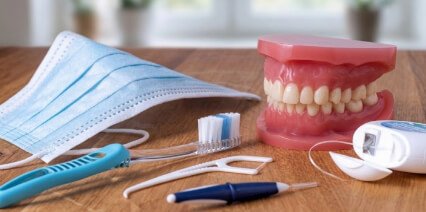
Protect the work between visits. Brush twice a day with fluoride toothpaste, clean between teeth daily, and do not ignore bleeding gums or sensitivity. Home care does not replace a general dentist, but it stretches the value of every visit and lowers the chance that small issues will grow.
Routine dental care is one of the simplest ways to spend less later
If you have been putting off the dentist, you are not careless. You are probably juggling a lot, and dental care can feel easy to postpone. The hard part is that delay often costs more than the visit you were trying to avoid. Regular care gives you more control, fewer surprises, and a better chance of keeping treatment simple. When you are ready, schedule your next checkup and give yourself the chance to catch problems while they are still small.