Why Oral Hygiene Education Matters At Every Age
You can brush every day and still feel unsure about whether you are doing enough. Maybe your child fights bedtime brushing, your teen lives on sports drinks, or an older parent has dry mouth and sore gums. Oral care changes with age, and the advice people get is often rushed, generic, or easy to forget. That is the core problem. Good habits do not appear on their own, and small gaps in knowledge can turn into pain, missed school, lost work time, and expensive treatment. In some cases, that treatment may include dental crowns in Leduc, AB.
Why oral hygiene education matters at every age comes down to one simple truth. People protect what they understand. When you know how plaque forms, why gums bleed, or how medicines can affect the mouth, daily care stops feeling like a chore and starts making sense. That shift helps children, adults, and older adults keep their teeth longer and avoid preventable problems.
Oral hygiene education builds habits before problems build up
Most dental problems do not start with a dramatic warning sign. They start quietly. A missed brushing here, a sugary snack there, a little bleeding that seems harmless. Over time, plaque hardens, enamel weakens, gums get inflamed, and what could have been handled with routine care becomes a filling, a deep cleaning, or worse.
According to the CDC oral health overview, cavities and gum disease are common, and oral health is closely tied to overall health. That connection matters at every age. A child with untreated tooth pain may struggle to eat or focus in school. An adult with gum disease may deal with chronic inflammation and avoid smiling in photos or meetings. An older adult may lose teeth, have trouble chewing, and limit foods that support good nutrition.
Dental health education for all ages gives people the missing context. It explains why twice daily brushing works, why flossing reaches what a toothbrush misses, and why regular dental visits catch problems early. Without that education, people often wait until something hurts. By then, the fix is usually more invasive and more costly.
Every stage of life brings different oral health risks
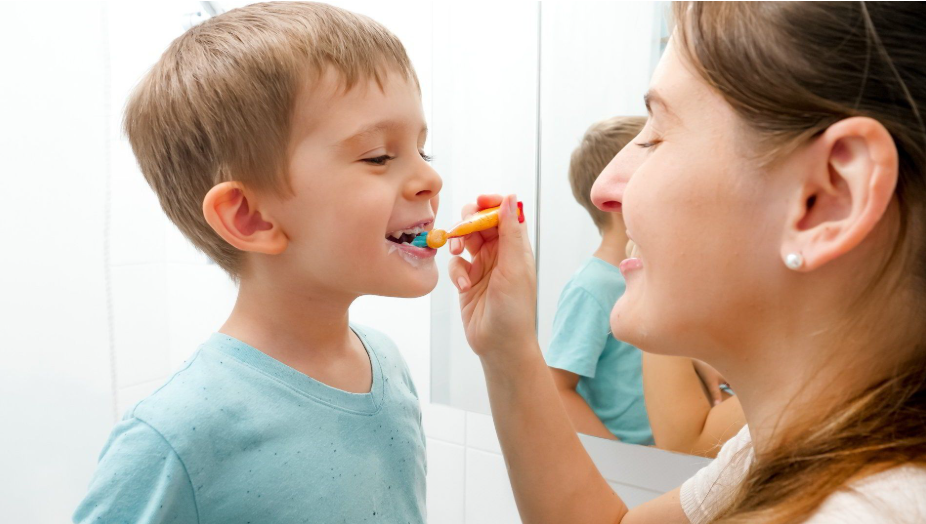
Children need help with technique, not just reminders. A child may brush for ten seconds and call it done, or swallow toothpaste because no one showed them how much to use. Education helps parents know when to supervise, how to make brushing routine, and when a child is ready to take over more of their own care.
Teenagers often know the rules and still drift from them. Braces trap food. Energy drinks and soda raise cavity risk. Busy schedules make late night brushing easy to skip. This is where oral hygiene at every age matters. Teen care is less about repeating instructions and more about showing the real cost of neglect, including stains, bad breath, gum swelling, and avoidable dental work.
Adults face a different kind of pressure. Work, caregiving, and money concerns can push dental care down the list. You might ignore sensitivity because there is no time to deal with it, or postpone a cleaning because nothing feels urgent. That delay often leads to bigger bills later. Education helps adults see routine care as maintenance, not a luxury.
Older adults often need the most tailored guidance. Dry mouth from medication, arthritis that makes brushing harder, receding gums, and dentures all change the way the mouth needs to be cared for. The National Institute on Aging guidance for taking care of your teeth and mouth explains how age related changes can raise the risk of decay and mouth infections. A person who has done the same routine for decades may suddenly need new tools or new habits.
Oral hygiene instruction lowers long term cost and stress
Many people think education is the extra part of a dental visit, when it is often the part that saves the most money. A quick explanation about flossing around a bridge, choosing fluoride toothpaste, or cleaning dentures the right way can prevent a problem that would take months and hundreds or thousands of dollars to fix.
The National Institute of Dental and Craniofacial Research oral hygiene resource outlines the basics clearly because the basics work when people understand them and repeat them. A general dentist does more than clean teeth. A dentist helps you connect your daily habits to your long term health, which is often the difference between staying stable and falling into a cycle of urgent visits.
| Life Stage | Common Risk | What Education Helps Prevent |
|---|---|---|
| Children | Poor brushing technique, frequent sugar exposure | Early cavities, fear of dental visits, painful decay |
| Teens | Braces care gaps, soda and sports drinks, skipped routines | White spots, bad breath, gum irritation, new cavities |
| Adults | Stress, delayed care, grinding, inconsistent flossing | Gum disease, cracked teeth, more costly treatment |
| Older Adults | Dry mouth, dexterity issues, denture care mistakes | Root decay, oral infections, chewing problems |
Small daily choices shape lifelong oral health
The reason oral health teaching matters is not that every mistake leads to disaster. It is that daily patterns are powerful. If you learn the right technique early, you are more likely to keep it. If you understand the warning signs of gum disease, you are more likely to act before teeth loosen. If an older adult learns how medication affects saliva, they can adjust care before decay spreads along the gumline.
That is why preventive oral care education should never be treated as optional. It supports confidence, lowers fear, and gives people a sense of control. When care feels clear and manageable, people are more likely to follow through.
Three practical steps you can take right away
Check your routine against your age and health needs. A routine that worked at 25 may not fit at 65. Look at medications, diet, braces, restorations, or dexterity limits and adjust your tools. You may need fluoride rinse, floss picks, an electric toothbrush, or more frequent cleanings.
Ask for specific instruction, not general advice. If your gums bleed, if your child resists brushing, or if dentures feel hard to maintain, ask for a demonstration. Specific guidance is easier to follow than broad reminders to do better.
Act on early warning signs. Bleeding gums, sensitivity, dry mouth, bad breath, mouth sores, and loose dental work rarely fix themselves. A prompt visit to a general dentist can stop a small issue from becoming a painful one.
Better oral hygiene education supports better health at every age
You do not need a perfect routine. You need one that fits your life and makes sense for your age, habits, and health. That is why oral hygiene education matters at every age. It turns confusion into clear action, and it helps protect your comfort, confidence, and health over time.
If something in your routine feels off, schedule a visit with a general dentist and get guidance that matches your stage of life.