5 Smile Transformation Steps That General Dentists Often Guide Patients Through
You catch your reflection in a window, a photo gets tagged, or you laugh without thinking and then wish you had covered your mouth. That feeling is common, and it usually builds slowly. A stain that never lifts, a chipped edge, teeth that look crowded, old dental work that stands out more than you want. You may be considering tooth implants in Waldwick, NJ or simply want a better smile, but not a dramatic makeover, not pressure, and not a plan that ignores your budget or your comfort.
Most smile changes do not start in a cosmetic showroom mindset. They start in a regular dental chair, with a general and cosmetic dentist looking at your teeth, gums, bite, and habits, then mapping out what actually makes sense. Smile makeover steps are often simpler than people expect. The process usually moves from health first, to cleaning and repair, to whitening or reshaping, and then to longer lasting cosmetic options if you want them.
General dentists often start smile transformation plans with oral health
If your gums bleed, a tooth hurts, or you grind at night, cosmetic work is not the first move. That can feel frustrating when the thing bothering you is the color or shape of your teeth, but the foundation matters. A whitening treatment on a tooth with untreated decay will not solve the real problem. Veneers placed on teeth with gum disease will not give you a stable result.
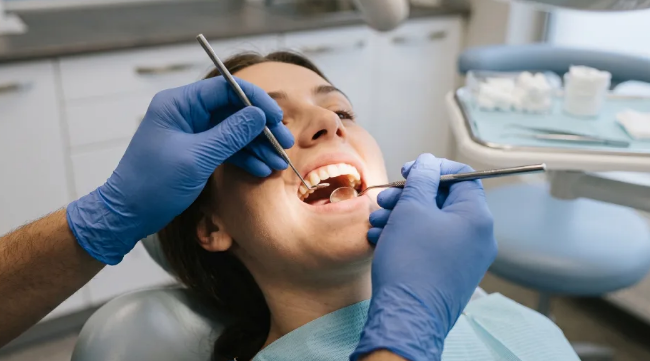
This is where a general dentist often guides the whole process. You get a full exam, X rays if needed, and a clear look at what is cosmetic and what is functional. Sometimes the first step is a deep cleaning. Sometimes it is replacing a worn filling, smoothing a chipped edge, or making a night guard because your bite is wearing your teeth down. That kind of planning protects your money as much as your mouth. You do not want to invest in a nicer smile only to have pain, breakage, or gum issues undo it.
See also: Why Parents And Children May Need Different Teeth Cleaning Schedules
Professional cleaning and minor repairs can change more than you expect
People often imagine a smile transformation as something major, but a lot can improve with routine care and conservative treatment. Plaque and tartar hold onto stains. Old bonding can discolor. A small chip can make the whole front tooth look uneven. When those issues are cleaned up, your smile can look fresher before any cosmetic treatment begins.
This step also gives you a truer starting point. If you whiten before a cleaning, or if you ignore a rough edge that catches the light, you may judge the result unfairly. A dentist may recommend polishing, replacing visible fillings, or tooth colored bonding to repair small flaws. For many people, that alone creates the look they were hoping for from a full cosmetic plan.
Teeth whitening is often the first cosmetic step in smile enhancement
Color is usually the first thing people notice about their teeth. Whitening is popular because it is less invasive than veneers or crowns, and it can brighten your smile without changing the tooth structure. A dentist can help you decide whether in office treatment or take home trays make more sense for your goals and sensitivity level.
Store bought products can help some people, but they are not equal to a tailored plan. If you have patchy discoloration, gum recession, or restorations on front teeth, whitening can produce uneven results unless someone is watching for those details. The American Dental Association’s MouthHealthy guide on teeth whitening options explains the common approaches and what to expect.
Shaping, bonding, and alignment often refine the smile after whitening
Once the shade improves, small shape issues stand out more clearly. One tooth may be slightly longer. Another may turn inward. Tiny gaps that once blended into the overall color may start to bother you. This is where contouring, bonding, or orthodontic treatment can come in.
Bonding can close a small space or rebuild a chipped corner in one visit. Light reshaping can make teeth look more even. Clear aligners may be suggested if crowding or spacing affects both appearance and cleaning. This stage matters because a brighter smile does not always look balanced until the proportions and positioning are addressed. Cosmetic dental treatment often works best when the sequence is thoughtful instead of rushed.
Veneers and other lasting options come after the basics are stable
Some patients want a bigger change than whitening or bonding can deliver. Deep stains, worn enamel, uneven shapes, and old dental work on front teeth may call for veneers or crowns. That decision should come after your dentist has ruled out simpler fixes, because these treatments involve more planning and cost.
Veneers can create a uniform color and shape, but they are not a casual add on. They work best when your gums are healthy and your bite is stable. MouthHealthy offers a helpful overview of dental veneers, including how they are used and what they can correct. For the right person, they can be a strong final step in a broader smile improvement process.
Comparing common smile transformation steps helps you choose wisely
| Step | Best For | Time Frame | Cost Range | Key Limitation |
|---|---|---|---|---|
| Cleaning and polishing | Surface stain, tartar, freshening appearance | 1 visit | Lower | Does not change tooth shape or deep color |
| Professional whitening | Yellowing, generalized discoloration | 1 visit or a few weeks with trays | Lower to moderate | Does not whiten crowns, fillings, or veneers |
| Bonding and contouring | Small chips, gaps, uneven edges | 1 to 2 visits | Moderate | May stain or wear over time |
| Clear aligners | Crowding, spacing, mild bite concerns | Months | Moderate to higher | Requires daily compliance |
| Veneers or crowns | Major shape, color, or wear concerns | Multiple visits | Higher | More permanent and more costly |
Small, immediate actions make the dental smile makeover process clearer
1. Write down what bothers you most. Be specific. “My teeth are stained” leads to a different plan than “this one front tooth is darker” or “my smile looks crooked in photos.” A dentist can solve problems faster when the goal is clear.
2. Ask what must be treated before cosmetic work. This question cuts through confusion. If there is decay, gum inflammation, grinding, or an unstable bite, handling that first protects every later step.
3. Request a staged plan. You do not need to do everything at once. Many people start with cleaning and whitening, then live with the result for a while before deciding on bonding, aligners, or veneers. A phased approach gives you control over timing and cost.
A better smile does not have to begin with a dramatic decision. It often starts with a careful exam, a few smart fixes, and a plan that matches your real life. If you have been putting this off because it feels too expensive, too involved, or too uncertain, a conversation with a general and cosmetic dentist can turn a vague wish into a practical next step.