5 Factors That Determine Whether Enamel Changes Need Treatment
You catch a change in your teeth under bathroom light and your mind goes straight to the worst case. A white spot, a rough patch, a yellow or brown area that was not there before, and suddenly you are wondering if it is decay, damage, or something you should have dealt with months ago. That worry makes sense. Enamel changes are easy to miss until they are hard to ignore, and once you notice them, it is hard not to keep checking. In some cases, more extensive treatment may be needed to restore your smile with custom dentures in Covina.
The good news is that not every enamel change needs treatment right away. Some marks are cosmetic. Some signal early tooth damage. Some are tied to fluoride exposure during tooth development, which the CDC explains in its overview of dental fluorosis. The decision usually comes down to five things: what caused the change, how deep it goes, whether it is active, whether it affects how your tooth works, and how much it bothers you day to day. A general dentist can sort out the difference faster than internet searching ever will.
The cause of enamel changes often decides the next step
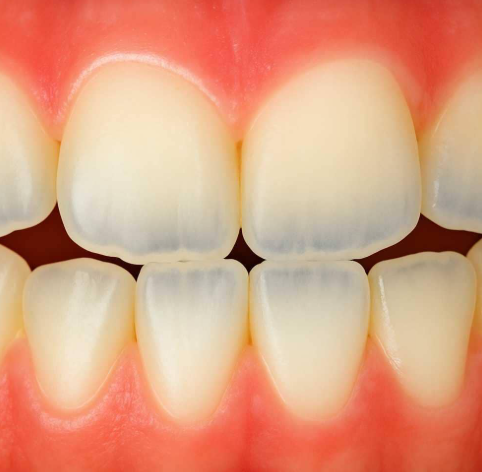
Enamel can change color or texture for several reasons, and the cause matters because treatment is not one size fits all. A chalky white area may be an early sign of mineral loss. A smooth white streak may be fluorosis. A yellow cast may simply mean the enamel has worn thin and more dentin is showing through. Brown areas can come from staining, decay, or developmental changes.
This is where people get stuck. Two spots can look similar in the mirror and mean very different things. One may need fluoride support and monitoring. Another may need a filling before the tooth weakens further. According to the National Institute of Dental and Craniofacial Research, tooth decay starts with mineral loss, and early enamel damage can sometimes be stopped before a cavity forms. That is why identifying the source matters more than guessing based on color alone.
The depth of enamel damage changes whether treatment is cosmetic or necessary
Surface changes are different from structural damage. If the enamel change sits on the outer layer and the tooth is still strong, treatment may be optional and focused on appearance. If the enamel has softened, pitted, or broken down, the issue shifts from cosmetic to protective.
You may not feel anything at first. Enamel has no nerves, so early damage can stay quiet while the tooth underneath becomes more exposed. That is part of why people wait. If it does not hurt, it feels safe to put off. Then cold drinks start to sting, or food catches in a rough spot, or a small weak area turns into a chip. At that point, treatment is often more involved than it would have been earlier.
Active enamel loss needs more attention than stable enamel defects
A tooth can have a mark for years without changing. That is very different from a spot that is growing, darkening, or becoming rough. Stable enamel defects may only need observation during routine dental visits. Active enamel loss usually needs intervention, even if the treatment is conservative.
This is one of the most overlooked factors that determine enamel treatment. A stable white patch from childhood fluorosis may stay exactly the same. A new chalky area near the gumline may point to ongoing acid exposure, plaque buildup, or early decay. If the process is still active, the goal is not just to improve how the tooth looks. The goal is to stop further damage.
Function and sensitivity matter as much as appearance
Some enamel changes are mostly visual. Others affect how your teeth feel and work. If a tooth becomes sensitive, rough, prone to chipping, or harder to clean, treatment becomes easier to justify. Function matters because enamel protects the softer inner parts of the tooth. Once that barrier weakens, everyday habits like drinking coffee, brushing, or biting into something crisp can become uncomfortable.
If you have noticed sensitivity along with visible changes, a dentist may also look for other causes. The MedlinePlus summary on tooth discoloration shows how color changes can be linked to wear, injury, medicines, or decay. The mark you see is only part of the picture.
Your goals and the dentist’s findings shape the treatment plan
There is also the human side of this. Maybe the enamel change is mild, but it is on a front tooth and you think about it every time you smile. Maybe it is not visible, but it catches floss and keeps bothering you. Treatment is not only about what an X ray or exam shows. It is also about how the change affects your comfort, confidence, and routine.
That is why when enamel changes need treatment is not answered by a single rule. A dentist weighs the clinical facts with your priorities. In many cases, the best plan is watchful monitoring, fluoride support, and habit changes. In others, bonding, microabrasion, or a filling makes more sense. The right choice protects the tooth without doing more than necessary.
See also: How Mobile Inventory Management Improves Business Efficiency
Practical signs that enamel changes need monitoring or treatment
| Finding | What it may suggest | Common next step |
| Flat white spot that has not changed | Stable fluorosis or past enamel change | Monitor, discuss cosmetic options if desired |
| Chalky white area near gumline | Early demineralization or active plaque buildup | Fluoride treatment, hygiene changes, close follow up |
| Brown or dark spot with rough texture | Possible decay or stained defect | Dental exam, possible restoration |
| Pitting or enamel that looks worn down | Structural enamel loss | Protective treatment to strengthen or restore tooth |
| Sensitivity to cold or sweets | Exposure of deeper tooth layers | Evaluation for wear, decay, or cracks |
Three steps you can take right now
Track what has changed. Take a clear photo in good light and note when you first noticed it. If the spot grows, darkens, feels rougher, or starts to hurt, that detail helps your dentist judge whether the enamel issue is active or stable.
Cut down the triggers that weaken enamel. Frequent sugary snacks, acidic drinks, dry mouth, and aggressive brushing all make enamel more vulnerable. Switch to a soft brush, use fluoride toothpaste, and rinse with water after acidic foods instead of brushing right away.
Book a dental exam before the change gets harder to treat. A general dentist can tell whether the issue is cosmetic, early decay, fluorosis, wear, or something else. That visit can save you from waiting until a small enamel problem becomes a larger repair.
If you have noticed a change in your enamel, you are not overreacting by paying attention to it. Some enamel changes are harmless, some need monitoring, and some need treatment before the tooth loses strength. The key is catching the difference early and getting a clear answer you can trust. Reach out to a dentist and have the area checked so you know exactly what you are dealing with.